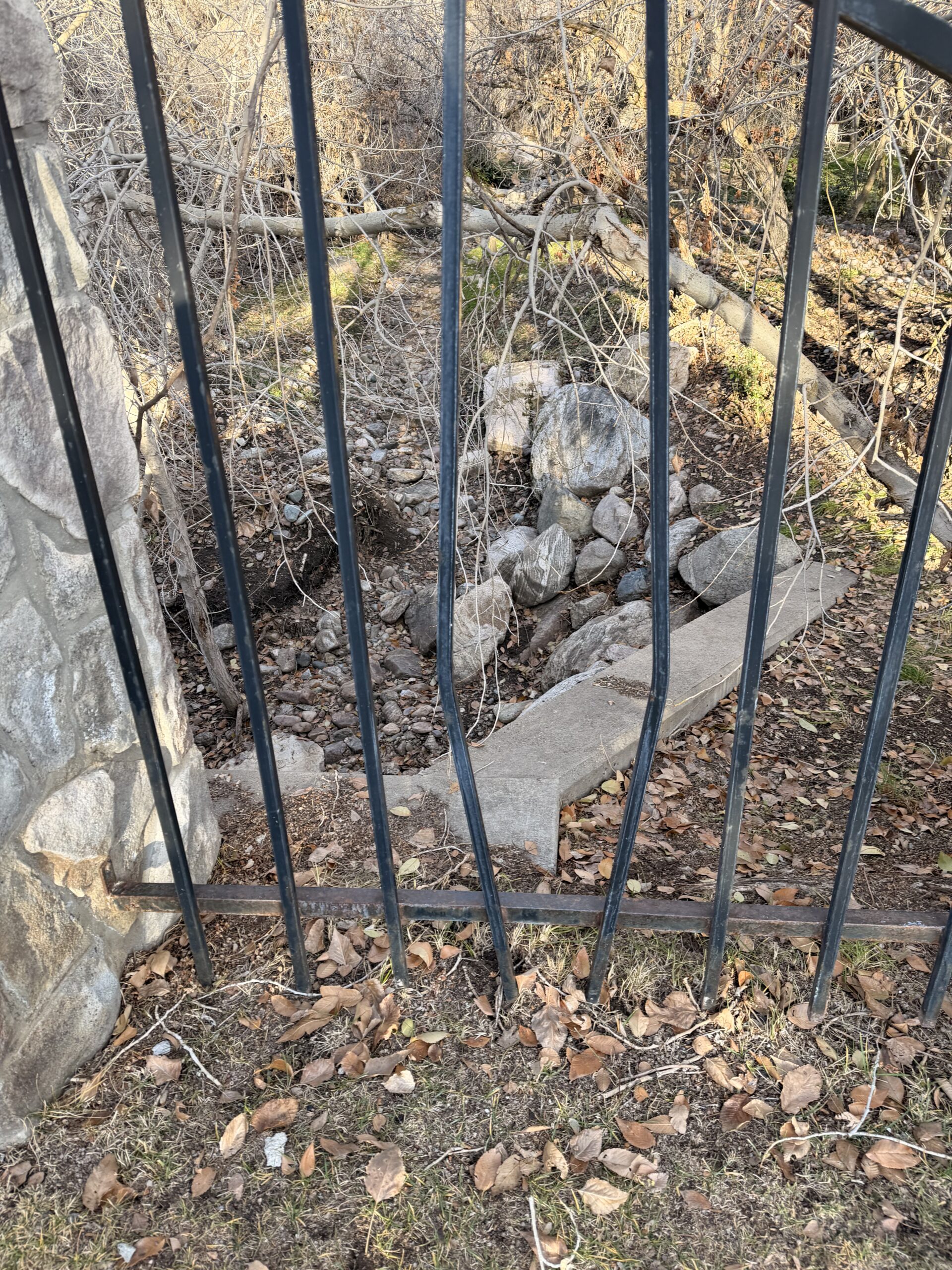
Northern Utah’s neighborhoods are often visited by wildlife like mule deer, moose, and elk. Unfortunately, many standard fences pose serious hazards to these animals. Deer can be impaled on decorative fence spikes or snagged in barbed wire, and young fawns may get stuck trying to squeeze through fence rails. These incidents not only injure or kill wildlife but also create distressing situations for homeowners and liability risks for HOAs. The good news is that with some modifications, most existing fences can be made wildlife-friendly without sacrificing security or privacy.
Northern Utah’s homeowners can easily transform their properties into wildlife-friendly spaces that promote coexistence with nature.
Retrofitting your fence to be wildlife-friendly means altering it so animals can safely jump over, crawl under, or see the barrier without getting hurt. In this guide, we’ll explain how to identify common fence hazards and provide clear, actionable steps to fix them. We’ll focus on four common fence types in Utah – wrought iron fences with spikes, barbed-wire fences, chain-link fences, and low-clearance rail fences – and describe DIY modifications to make each safer for wildlife.
What Makes a Fence Wildlife-Friendly? 

What Makes a Fence Wildlife-Friendly? A wildlife-friendly fence allows animals safe passage or at least preve
Creating a wildlife-friendly environment not only benefits the animals but also enriches your outdoor experience.
nts injury if they attempt to cross. In Northern Utah, a well-designed fence accounts for jumping over and crawling under:
- Safe Height: Keep fence height at 40 inches or less for animals to jump over, or 8 feet solid and smooth if exclusion is the goal.
- Bottom Clearance: A gap of 16–18 inches allows smaller animals and young wildlife to pass underneath.
- Smooth, Visible Top: Use smooth wire or a wooden/PVC rail on top. Add flagging or bright materials for visibility.
- Wide Spacing: At least 10–12 inches between top wires/rails to prevent leg entanglement.
- No Sharp Points: Cover or remove all spikes and barbed components.
- Flexible Sections: In high-traffic areas, allow seasonal let-downs or removable rails.
- Overall Visibility: Use visual markers along wires and keep fence lines clear of debris.
Retrofitting Wrought Iron Fences with Spikes 


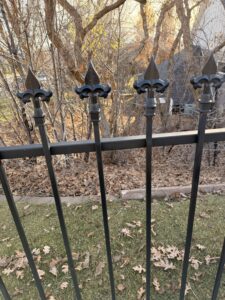
Retrofitting Wrought Iron Fences with Spikes Wrought iron fences with pointed finials pose major dangers. Deer often get impaled trying to jump these.
- Cover Sharp Spikes: Use rubber/plastic caps or saw off and file smooth.
- Add a Top Rail: Install a metal or PVC rail over spikes for protection and visibility.
- Reduce Vertical Bar Spacing: Narrow wide gaps with added pickets or mesh to prevent small animals from getting stuck.
- Check Fence Height: If not required to be tall, consider lowering sections or building a taller, safer version.
- Mind Bottom Gaps: Ensure enough space for small wildlife to pass underneath.
Modifying Barbed-Wire Fences for Wildlife Safety
Retrofitting Barbed-Wire Fences Barbed wire is one of the worst offenders for wildlife injuries.
By adjusting your existing fences, you can ensure they are wildlife-friendly and effective in keeping your space secure.
By adjusting your existing fences, you can ensure they are wildlife-friendly and effective in keeping your space secure. Making these changes contributes to a wildlife-friendly environment that benefits both the animals and your property.
- Tighten Wires: Prevent sagging wires that can catch jumping animals.
- Remove Excess Strands: Reduce five-wire fences to three or four.
- Replace with Smooth Wire: Swap top and bottom barbed wires with smooth alternatives.
- Raise Bottom Wire: Ensure 16–18 inches of clearance at the base.
- Space Top Wires: Leave 10–12 inches between upper wires to avoid leg trapping.
- Add Visibility: Use flagging or PVC over the top wire.
- Create Crossing Points: Install removable wires or gates at key wildlife trails.
Retrofitting Chain-Link Fences
Retrofitting Chain-Link Fences Chain-link fences are highly visible but can still entangle wildlife.
- Add a Smooth Top Rail: Covers exposed sharp wire ends and helps animals see the fence.
- Remove Barbed Extensions: Take off any barbed or pointed security additions.
- Create Wildlife Passages: Slightly raise the mesh or cut discrete openings near ground level.
- Install Escape Aids: Have gates or removable panels for trapped wildlife to exit.
- Smooth Edges and Corners: File sharp metal ends and secure loose mesh.
Raising and Modifying Low Rail Fences
Retrofitting Rail Fences Rail fences can trap fawns or cause misjudged jumps.
- Raise or Remove Bottom Rail: Create ground clearance for small animals.
- Widen Rail Gaps: Aim for one open gap of at least 12 inches.
- Add Visual Markers: Reflective tape or plants can help animals detect the barrier.
- Trim Mesh: If mesh is present, raise it above ground level in sections.
- Leave Gates Open: Especially at night when animals are most active.
Benefits of Wildlife-Friendly Fencing
Choosing wildlife-friendly fencing options can enhance the beauty and safety of your property.
Benefits of Wildlife-Friendly Fencing
- Fewer Wildlife Injuries: Prevent tragic and dangerous incidents.
- Reduced Property Damage: Minimize thrashing and destruction by panicked animals.
- Lower Liability Risk: Avoid potential legal and PR issues.
- Preserved Wildlife Corridors: Allow safe passage for Utah’s native species.
- Community Pride: Aligns with conservation values and boosts neighborhood appeal.
By making smart changes to your fence, you contribute to a safer, more responsible landscape that benefits both wildlife and residents.
If you need help evaluating or modifying your fence, All Woods Tree Service can offer guidance or refer you to local pros. We care about your landscape — and the wildlife that lives in it.
Frequently Asked Questions (FAQ) About Wildlife-Friendly Fence Retrofitting
Q: Will modifying my fence to be wildlife-friendly mean more deer or moose come into my yard?
A: Not likely. Wildlife-friendly fences are designed to prevent injury, not attract animals, and may help animals safely leave your yard if they enter.
Q: What if my HOA has strict fence rules or won’t allow changes?
A: Many HOAs are open to safety-based retrofits when informed about the risks. Discreet modifications like spike caps or raised wires are often acceptable with proper communication.
Q: How much will these retrofits cost?
A: Most fixes are inexpensive, especially if done DIY, and are far more affordable than replacing a fence or repairing damage caused by trapped wildlife.
Q: I have a dog – won’t raising the bottom of the fence let my pet escape?
A: You can create selective wildlife gaps while keeping pet areas secure using mesh, boards, or supervised zones, allowing both safety and containment.
Q: My fence is old and rusty. Should I just replace it with a new wildlife-friendly fence?
A: If your fence is structurally sound, retrofitting is usually more cost-effective; replacement may be best only if it’s beyond repair.
Q: Where can I learn more or get help?
A: Local wildlife agencies, fencing professionals, or conservation groups can offer guidance or assistance with safe retrofits tailored to Utah’s needs.