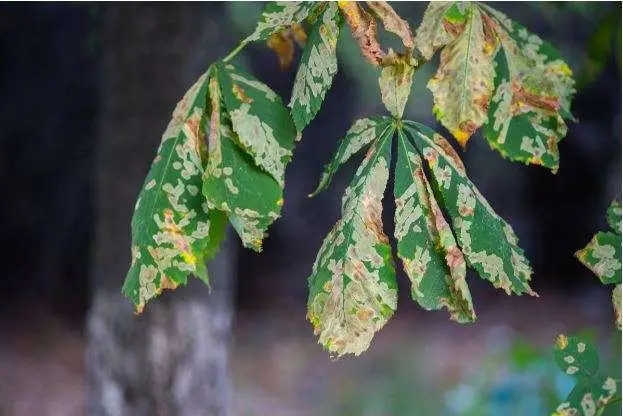
When you notice signs that your tree might be diseased, it can be tempting to let nature run its course. A better idea is to have diseased trees removed to make sure the people in your household are safe and the tree doesn’t cause any damage. We’ll explain why tree removal is so important and what to look for if you suspect it might be time to call an arborist to remove your tree.
Why Removing Diseased Trees Is Important
Diseased Trees Can Be Dangerous
There are a few reasons why a diseased tree can pose a danger to those living in, and even near, your home.
Falling Branches
When a tree is diseased, its branches will eventually become dry and brittle. If there are strong winds, it’s possible for one of the limbs to break off and could fall on top of your or your neighbor’s house, car, or even a family member or pet.
Rodent Residents
Pests such as mice, rats, squirrels, and various bugs may see a diseased tree as an opportunity. The damaged tree attracts these pesky animals and allows them to eat away at the wood without detection. This leaves the tree in an even weaker state and may make them more susceptible to strong winds and falling branches.
Spreading Disease
Trees, like humans, can spread pathogens to other plants, which can affect every part of the plant, including stems, leaves, fruits, seeds, and roots. Depending on the type of disease, it might be very easy for one tree to infect the surrounding plants.
When To Consider Removing a Tree
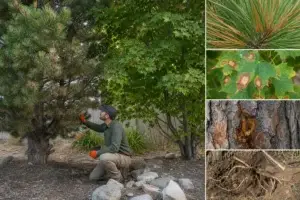
There are several signs to watch for that can tell you when it’s time to contact an arborist to remove your tree. Pay attention to these signs of disease:
- Vertical cracks in the trunk
- Open cavities
- Unusual bark peeling
- Wilted and discolored leaves or needles
- Lesions on the fruits
If you need an arborist to remove your tree before it becomes a danger, contact All Wood’s Tree Service and they will safely and effectively remove your tree.