Stump Removal vs. Grinding: The Best Choice
When it comes to managing tree stumps, homeowners often face the dilemma of choosing between stump removal and stump grinding. Understanding the differences between these two methods is crucial for making an informed decision that best suits your landscape needs. This article will explore the fundamental distinctions, advantages, and disadvantages of both stump removal and stump grinding, helping you determine which method is more appropriate for your situation. We will also discuss the implications of each method on your landscape and future planting plans.
What Is the Difference Between Stump Grinding and Stump Removal?
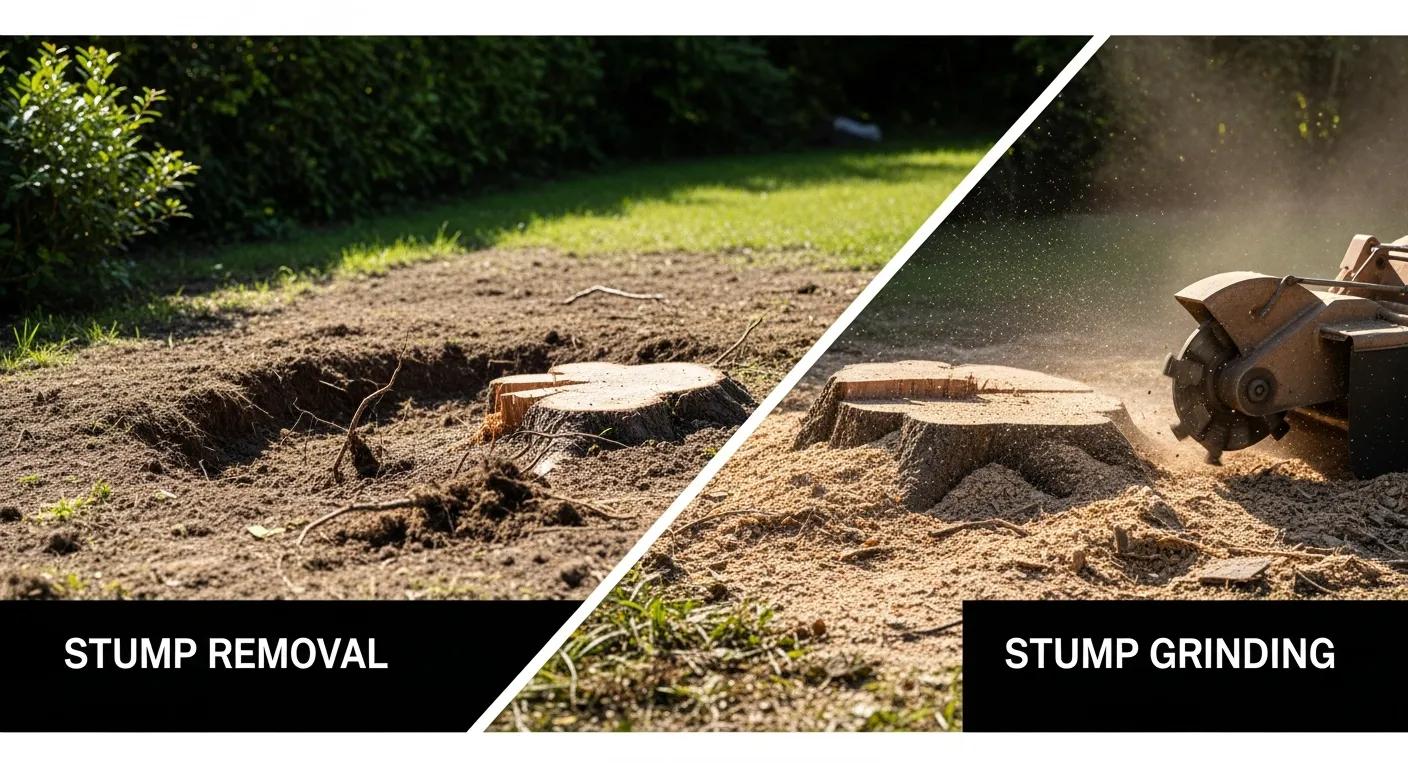
Stump grinding and stump removal are two distinct methods used to eliminate tree stumps from your property. Stump grinding involves using a specialized machine, known as a stump grinder, to grind the stump down into small wood chips. This method leaves the roots intact, which generally prevents regrowth in most tree species, but it effectively reduces the stump to ground level. In contrast, stump removal entails excavating the entire stump along with its root system, which can be more invasive but ensures complete eradication of the stump and roots.
How Does Stump Grinding Work and What Equipment Is Used?
Stump grinding works by employing a stump grinder, a powerful machine equipped with a rotating blade that shreds the stump into small pieces. The grinder is maneuvered over the stump, gradually reducing it to mulch. This process is relatively quick and can be completed in a few hours, depending on the stump’s size. Safety is paramount during this operation, as the grinder produces flying debris, necessitating protective gear for the operator and bystanders.
What Is the Process of Complete Stump Removal?
The process of complete stump removal begins with assessing the stump’s size and location. An excavator or a similar piece of heavy machinery is typically used to dig around the stump, exposing the root system. Once the roots are severed, the stump can be lifted out of the ground. This method is more labor-intensive and time-consuming than grinding, but it ensures that no part of the stump remains, preventing any potential regrowth.
What Are the Pros and Cons of Stump Grinding?
Stump grinding offers several advantages and disadvantages that homeowners should consider before making a decision.
- Cost-Effectiveness: Stump grinding is generally less expensive than complete stump removal, making it a budget-friendly option for many homeowners.
- Less Invasive: This method is less disruptive to the surrounding landscape, as it does not require extensive digging.
- Quick Process: Stump grinding can be completed in a matter of hours, allowing for immediate use of the area.
However, there are limitations to consider:
- Roots Remain: Since the roots are not removed, there is a small possibility of regrowth in some tree species, though this is uncommon.
- Not Always Suitable for Replanting: If you plan to replant in the same area, stump grinding may require additional soil preparation, as remaining roots can affect soil quality and new root growth.
- Potential for Regrowth: While rare, some tree species can send up new shoots from remaining roots, which may require further attention.
For those considering stump grinding, All Woods Tree Service provides professional stump grinding services that ensure a clean and efficient process.
What Are the Benefits of Stump Grinding for Your Landscape?
Stump grinding can significantly enhance your landscape by improving aesthetics and functionality. The removal of unsightly stumps allows for a more polished appearance in your yard. Additionally, the wood chips produced during the grinding process can be repurposed as mulch, providing natural ground cover that helps retain moisture and suppress weeds. This method also minimizes the risk of pest infestations, as decaying stumps can attract insects.
What Are the Limitations and Drawbacks of Stump Grinding?
While stump grinding has its benefits, it is essential to recognize its limitations. One major drawback is that the roots remain in the ground, which can lead to potential regrowth in some species. This can be problematic if you plan to replant in the same area, as the remaining roots may compete with new plants for nutrients and water or cause soil compaction. Additionally, stump grinding may not be suitable for all situations, particularly if the stump is located near structures or underground utilities.
What Are the Pros and Cons of Stump Removal?
Stump removal also has its own set of advantages and disadvantages that should be weighed carefully.
- Complete Eradication: The primary benefit of stump removal is that it eliminates the entire stump and root system, preventing any chance of regrowth.
- Better for Replanting: This method is ideal if you plan to replant in the same area, as it clears the space entirely for new growth.
- Improved Soil Health: Removing the stump and roots can enhance soil health by allowing for better aeration and nutrient absorption, though soil amendments may still be necessary.
However, stump removal comes with its challenges:
- Higher Cost: This method is typically more expensive than stump grinding due to the labor and equipment required.
- More Invasive: Stump removal is a more disruptive process, often requiring significant excavation and potentially damaging surrounding landscaping.
- Longer Process: The removal process can take longer to complete, depending on the size of the stump and root system.
For homeowners considering stump removal, All Woods Tree Service offers comprehensive stump removal services that ensure thorough and efficient results.
How Does Stump Removal Prevent Regrowth and Support Replanting?
Stump removal effectively prevents regrowth by completely excavating the root system, which is essential for new planting. Without the roots, there is no chance for new shoots to emerge, allowing for a clean slate for future landscaping projects. This method also improves soil health, as the absence of decaying roots reduces the risk of disease and pest infestations, creating a healthier environment for new plants.
What Are the Costs and Landscape Impacts of Stump Removal?
The costs associated with stump removal can vary based on factors such as stump size, location, and accessibility. Generally, stump removal is more expensive than grinding due to the labor-intensive nature of the process. However, the long-term benefits, including improved soil health and the ability to replant without hindrance, often justify the initial investment. Additionally, the landscape impact is significant, as removing the stump opens up space for new growth and enhances the overall appearance of your yard.
When Should You Choose Stump Grinding or Stump Removal?
Deciding between stump grinding and stump removal depends on several factors, including cost, time, and aesthetic considerations.
Which Method Is Best for Cost, Time, and Aesthetic Considerations?
If you are looking for a cost-effective and quick solution, stump grinding may be the better option. It is less invasive and can be completed in a shorter timeframe, making it ideal for homeowners who want to enhance their landscape without significant disruption. However, if you are planning to replant in the same area or want to ensure complete eradication of the stump, stump removal is the more suitable choice despite the higher cost and longer process.
How Do Future Land Use Plans Influence Your Choice?
Future land use plans can significantly influence your decision. If you anticipate needing the area for new planting or construction, stump removal is advisable to avoid complications with regrowth. Conversely, if the area will remain as is, stump grinding may suffice, allowing for a more immediate aesthetic improvement without the need for extensive excavation.