Structural pruning young trees is one of the most cost-effective investments a homeowner or HOA can make in Weber County. Trees pruned correctly in their first five to ten years develop strong branch structure, reducing the risk of storm damage, weak limbs, and expensive corrective work decades later.
Why Structural Pruning Young Trees Matters
Young trees grow quickly, and without guidance they often develop competing leaders, narrow branch angles, and crossing limbs that weaken the canopy over time. Structural pruning young trees early corrects these issues while the cuts are small and the tree can heal quickly, rather than waiting until major limbs need removal later.
Common Problems Corrected by Early Pruning
Co-Dominant Stems
When two main stems compete for dominance, the tree is more likely to split during wind or snow loads common in Weber County winters. Selecting a single central leader early prevents this structural weakness.
Included Bark and Narrow Crotches
Branches that grow at a narrow angle from the trunk trap bark between them instead of forming strong wood, creating a weak union prone to failure as the tree matures.
Low or Crossing Limbs
Removing crossing, rubbing, or overly low branches while a tree is young directs growth upward and outward, producing a healthier mature canopy.
Best Timing for Structural Pruning
Most young shade and ornamental trees benefit from structural pruning young trees during their first three to five years, with follow-up shaping every one to two years until the framework is established. Weber County’s freeze-thaw cycles and heavy spring snow make well-structured branch architecture especially important for reducing storm damage.
Why Professional Pruning Matters for HOAs and New Developments
New subdivisions and HOA common areas in Weber County often plant dozens or hundreds of young trees at once. Establishing a structured pruning schedule for these young trees protects the community’s landscaping investment and avoids costly removals and replacements ten or fifteen years down the road. The Arbor Day Foundation recommends training pruning within the first few years after planting for exactly this reason.
Professional Structural Pruning Services
Our certified crews provide tree trimming services tailored to young tree structural development, as well as ongoing tree trimming for mature trees across Weber County. If your property recently planted new trees, or you manage an HOA with young street trees, schedule a structural assessment before problems set in.
Tools and Techniques Used in Structural Pruning
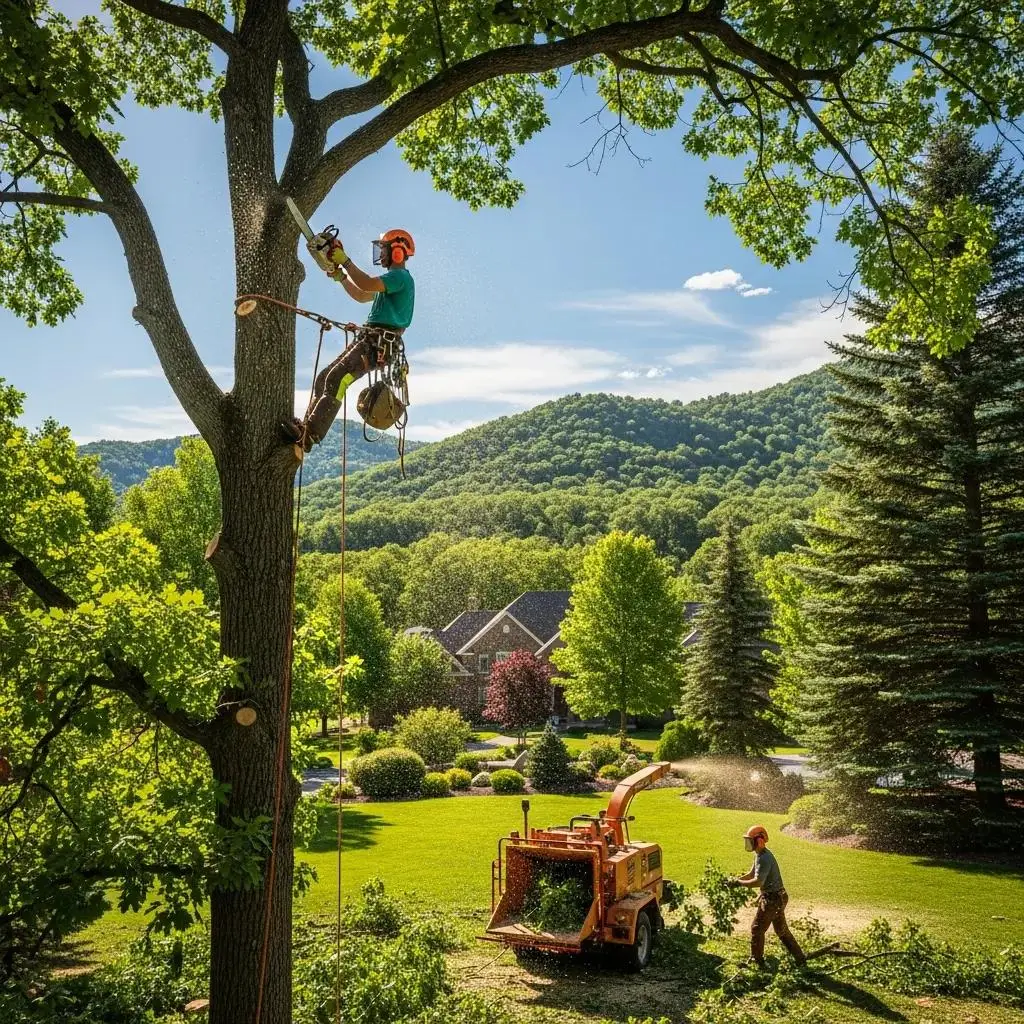
Structural pruning young trees requires more than simply cutting back branches. Certified arborists evaluate the tree’s overall form, identify the strongest potential central leader, and make small, precise cuts with clean hand tools rather than aggressive shearing. Each cut is placed just outside the branch collar so the tree can seal the wound quickly, which reduces the chance of decay entering the trunk. Because structural pruning young trees is most effective when done gradually, a good arborist will often plan corrective cuts across two or three visits rather than removing too much live growth in a single season.
How Utah’s Climate Affects Pruning Decisions
Northern Utah’s combination of heavy clay soils, hot dry summers, and wet, heavy spring snowfall puts extra stress on young trees with poor branch structure. Structural pruning young trees before winter storm season helps reduce the sail effect of dense, poorly spaced branches that can catch snow and wind loads. Property owners in Weber County who invest in structural pruning young trees during the first several years after planting typically see fewer emergency callouts for broken limbs during winter storms.
Structural pruning young trees is far less expensive than correcting damage from failed limbs or split trunks later. Contact All Woods Tree Service today to schedule a structural pruning assessment for your Weber County property.