A winter tree health checklist gives HOA boards and commercial property managers in Weber County a practical way to prepare landscapes before snow and freezing temperatures arrive. Trees that go into winter already stressed or damaged are far more likely to suffer broken limbs, split trunks, or root damage once storms hit, so a proactive fall and early winter inspection pays off through fewer emergency calls later in the season.
Why Winter Prep Matters for HOA and Commercial Trees
Common areas, parking lots, and building entrances see constant foot and vehicle traffic, which means a failing tree limb or a fallen tree during a winter storm can create liability issues fast. Following a winter tree health checklist before the first hard freeze helps property managers catch problems while crews can still safely access trees, rather than scrambling for emergency response once snow and ice make conditions hazardous.
Winter Tree Health Checklist: What to Inspect
- Dead, cracked, or hanging limbs that could break under snow or ice load
- Co-dominant stems or narrow branch unions prone to splitting in winter storms
- Trees leaning more than usual, which can signal root damage or soil saturation
- Mulch rings around tree bases to insulate roots through freezing temperatures
- Young or newly planted trees that may need trunk wrap or stake support through winter
Protecting Trees from Snow and Ice Damage
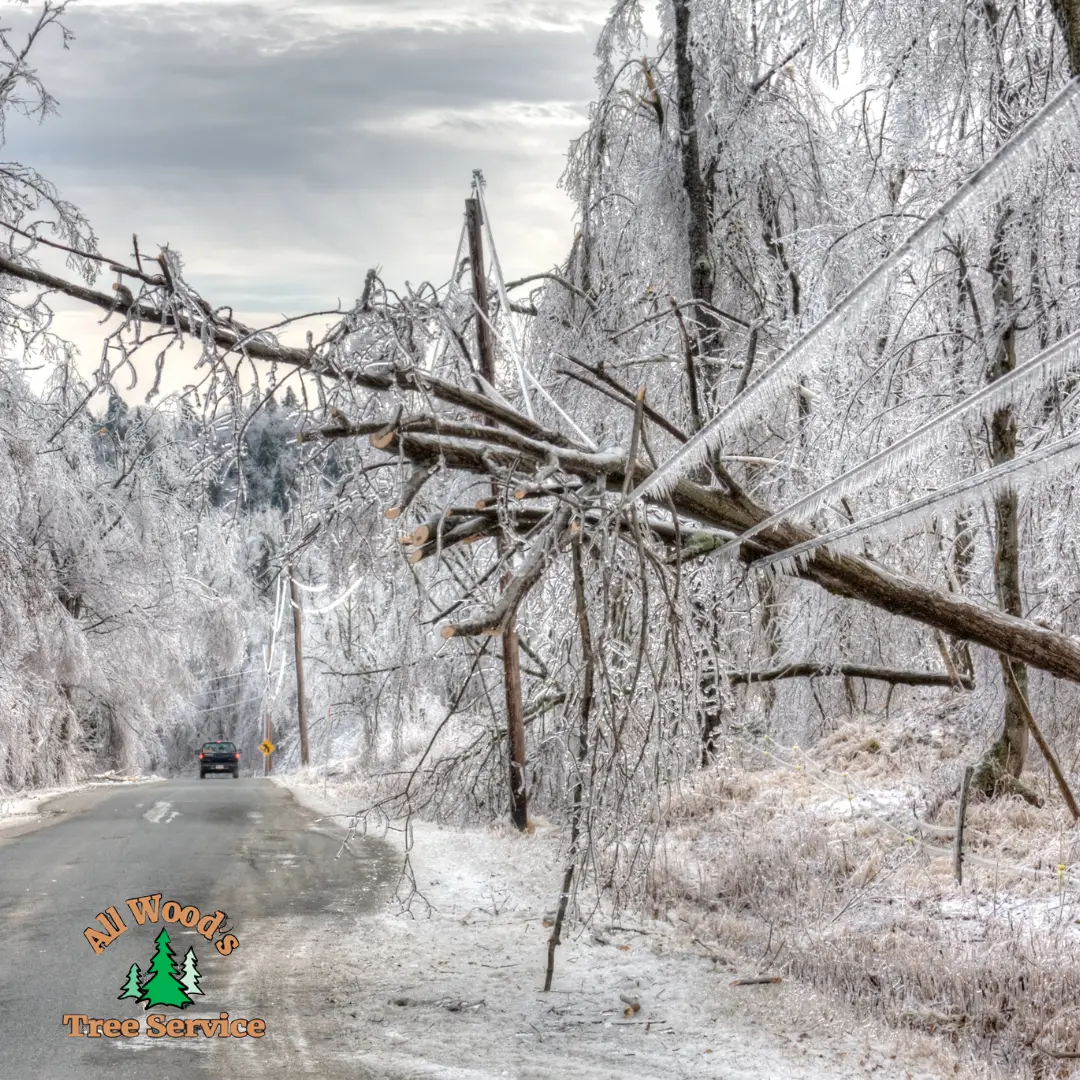
Heavy, wet snow and ice accumulation are among the biggest threats covered in any winter tree health checklist for northern Utah properties. Removing weak or overextended limbs before winter reduces the load-bearing stress that leads to breakage. For evergreens near walkways and parking areas, our crews can also recommend selective pruning to reduce the surface area that collects snow, lowering the risk of limbs bending into walkways or parking spaces.
Scheduling Winter Pruning and Removal Work
Winter is actually an excellent time for structural pruning on deciduous trees, since bare branches make it easier to see and correct structural issues. Our tree trimming and tree removal services stay active through the winter months, which means HOA and commercial properties can complete a full winter tree health checklist inspection and address issues in the same season rather than waiting for spring backlogs. The Utah State University Extension also recommends winter pruning for many landscape tree species when the ground is not frozen too deep for equipment access.
Preparing for Spring Growth
A thorough winter tree health checklist also sets up trees for a stronger spring. Removing storm-damaged wood, checking irrigation lines for freeze damage, and confirming mulch depth all support healthy root development once temperatures rise. Properties that complete this work in late fall or early winter typically see less scrambling each spring when new leaf-out reveals lingering damage from the season before.
Documenting Inspections for HOA Boards and Property Records
Many HOA boards and commercial property managers benefit from keeping a written record of each winter tree health checklist inspection, including photos of any limbs removed, trees flagged for spring follow-up, and irrigation or mulch adjustments made. This documentation supports budget planning for the following year and gives boards a clear record to reference if a tree-related liability question comes up after a storm. Property managers overseeing multiple sites across Weber County often find that a consistent checklist format, repeated on the same schedule every fall, makes it much easier to compare year-over-year tree health trends and catch declining trees before they become safety hazards or expensive removals.
If your HOA or commercial property in Weber County needs help completing a winter tree health checklist before the next storm, our HOA tree services team is ready to help. Contact us today to schedule a winter property inspection.