Beneath the surface of many struggling landscapes in Davis and Weber County, girdling roots and soil compaction are silently choking trees that look healthy from a distance. Unlike storm damage or visible pest infestations, these problems develop slowly, often over several years, until a tree suddenly declines or fails. Understanding how girdling roots and soil compaction affect a tree’s root system is the first step toward protecting the trees on your property.
What Are Girdling Roots?
A girdling root grows around the base of a tree instead of away from it, gradually strangling the trunk and cutting off the flow of water and nutrients. Girdling roots are common in trees planted too deep, trees grown in nursery containers too long before transplanting, or trees mulched improperly with “mulch volcanoes” piled against the trunk. Left unaddressed, girdling roots and soil compaction combine to weaken a tree’s structural stability, often leading to premature decline or a sudden, dangerous failure.
How Soil Compaction Damages Tree Roots
Soil compaction happens when heavy equipment, foot traffic, vehicle parking, or construction activity presses soil particles together, squeezing out the air pockets roots depend on. Compacted soil holds less oxygen and water, making it nearly impossible for fine feeder roots to expand. In new subdivisions and commercial parking areas across Davis and Weber County, we frequently see mature trees struggling because construction crews compacted the soil years earlier without realizing the long-term damage.
Warning Signs to Watch For
- Roots visibly encircling the trunk at the soil line
- A trunk that lacks the natural “flare” where it meets the ground
- Thinning canopy, small leaves, or early fall color
- Standing water or bare, hard-packed soil beneath the canopy
- Slow growth despite adequate watering
Why This Matters for HOAs and Commercial Properties
Common areas, parking lots, and shared green spaces are especially vulnerable to soil compaction from mowers, delivery vehicles, and heavy foot traffic. HOA boards and property managers who oversee these spaces need to budget for regular deep root fertilization and soil aeration to counteract compaction before it becomes irreversible. According to the International Society of Arboriculture, correcting girdling roots and soil compaction early can add years to a tree’s productive life and reduce the risk of costly emergency removals later.
What Can Be Done
Depending on severity, a certified arborist may recommend root collar excavation to cut girdling roots, vertical mulching or air-spading to relieve soil compaction, or adjusted irrigation and mulch practices. In severe cases where structural roots have already failed, removal and replanting with a better-suited species may be the safer, more cost-effective option. Our team offers professional arborist assessments to catch girdling roots and soil compaction before they threaten nearby structures, sidewalks, or power lines.
Preventing Girdling Roots and Soil Compaction in New Landscapes
The best defense against girdling roots and soil compaction is prevention at the time of planting. Trees should be planted at the correct depth, with the root flare visible above grade, and given adequate uncompacted soil volume to spread naturally. During construction projects, protective fencing around root zones and designated equipment routes can prevent accidental compaction. Property owners planning new construction should also review our guide on tree removal for new construction to understand how to protect existing trees during development.
If you manage an HOA or commercial property in Davis or Weber County, learn more about our HOA tree care programs, or read our related guide on 7 Signs of Declining Tree Health in Davis County Landscapes.
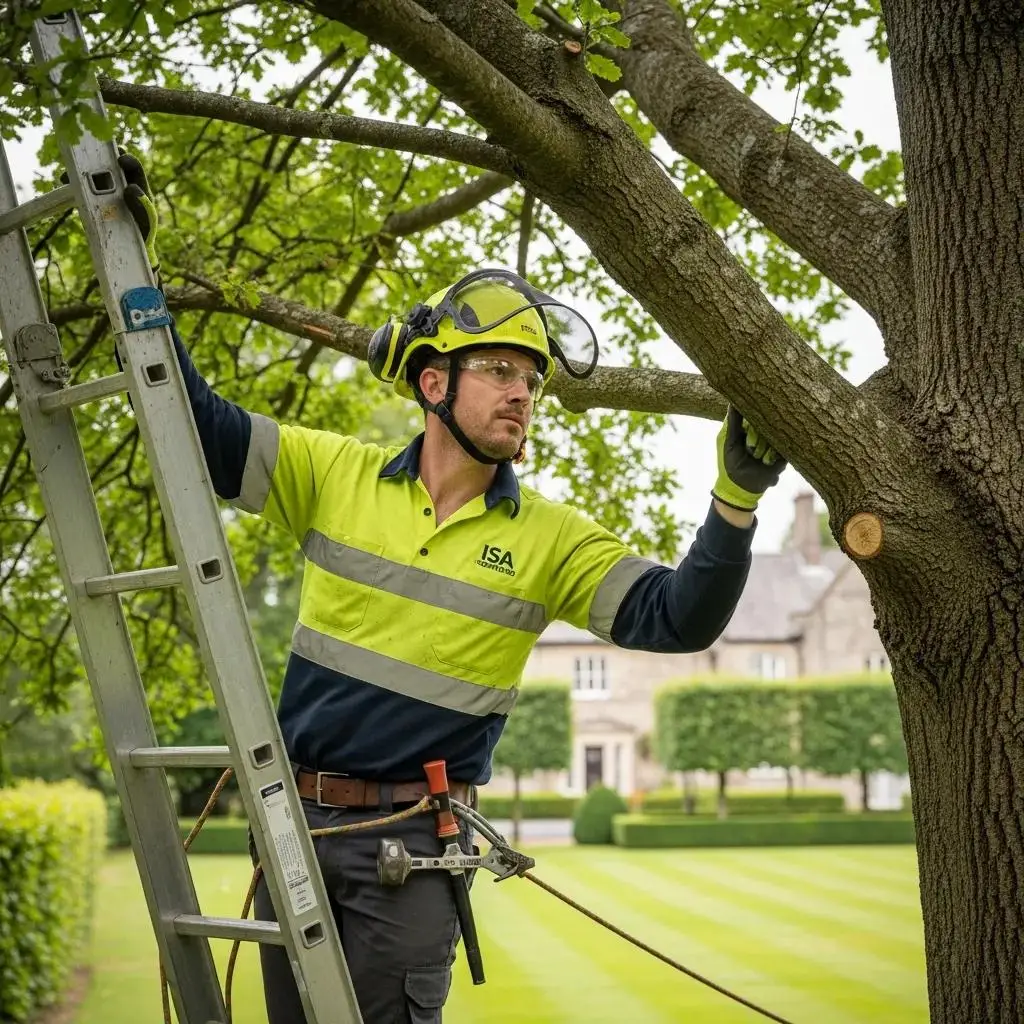
Girdling roots and soil compaction are two of the most overlooked threats to tree health in Northern Utah. If your trees show any of the warning signs above, don’t wait for a failure. Contact All Woods Tree Service today to schedule a root and soil assessment for your home, HOA, or commercial property.