A single windstorm or heavy snow load can bring down limbs, uproot shallow-rooted trees, and create serious liability for property managers across Davis and Weber County. Having a storm damage response plan in place before severe weather hits is what separates a fast, orderly recovery from a chaotic and expensive one. For HOAs and commercial properties with dozens or hundreds of trees on site, a clear storm damage response plan protects both people and property when the next storm rolls through.
Why Every HOA and Commercial Property Needs a Storm Damage Response Plan
Utah’s canyon winds, spring microbursts, and heavy wet snow all put mature trees at risk of sudden failure. Without a storm damage response plan, boards and property managers are left scrambling to find a crew, assess hazards, and communicate with residents or tenants all at once. A written storm damage response plan assigns responsibility ahead of time so the right people can act quickly when a limb comes down on a walkway or a tree falls across a parking lot.
5 Critical Mistakes to Avoid in Your Storm Damage Response Plan
- Waiting until after the storm to identify hazard trees instead of inspecting the canopy each season.
- Not having a pre-vetted tree service on call, which can delay debris removal by days.
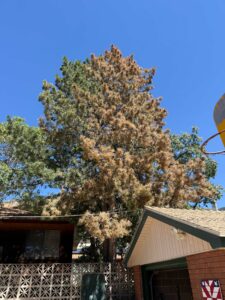
- Ignoring leaning or split trees that survived the storm but remain dangerous.
- Failing to document damage for insurance purposes before cleanup begins.
- Overlooking downed power lines or utility conflicts when clearing storm debris.
Before the Storm: Proactive Tree Risk Reduction
The strongest storm damage response plan starts long before severe weather arrives. Seasonal pruning to remove weak or crossing limbs, cabling for co-dominant trunks, and removing clearly hazardous trees all reduce the odds of storm-related failure. HOAs and commercial property managers should schedule a canopy risk assessment each year as part of their overall storm damage response plan.
During and After the Storm: Emergency Response Steps
Once severe weather passes, a solid storm damage response plan calls for a fast site walkthrough to identify immediate hazards, temporary barricades around unstable trees, and priority clearing of blocked entrances, roadways, and emergency access points. According to Ready.gov, having an emergency response plan in place before a disaster significantly reduces recovery time and risk to residents.
Working with a Certified Arborist for Storm Recovery
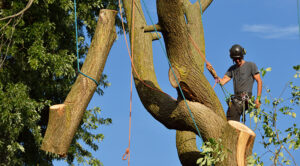
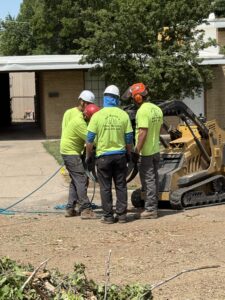
Storm-damaged trees often look stable but carry hidden internal cracks or root damage. Bringing in a certified arborist as part of your storm damage response plan ensures damaged trees are properly evaluated rather than guessed at. Our emergency tree service team works directly with HOA boards and commercial property managers to provide rapid debris removal, hazard tree takedown, and documentation for insurance claims.
Insurance and Documentation After Storm Damage
A thorough storm damage response plan also covers how your HOA or business documents losses for insurance purposes. Photographing downed limbs, split trunks, and property damage before cleanup begins gives adjusters the evidence they need to process claims quickly. Property managers who build this step into their storm damage response plan avoid disputes later over what damage occurred during the storm versus pre-existing conditions. Keeping a simple log of dates, affected trees, and photos alongside your storm damage response plan paperwork can save significant time when filing a claim.
Training Staff and Communicating with Residents
Even the best storm damage response plan is only as effective as the people who carry it out. HOA boards should make sure on-site staff, security, and maintenance teams know who to call first when a tree comes down, and residents should have a clear way to report hazards. Commercial property managers benefit from posting emergency contact information and reviewing the storm damage response plan with tenants annually, especially before the winter storm season and spring wind season in Davis and Weber County.
Don’t wait for the next storm to find the gaps in your storm damage response plan. Contact All Woods Tree Service today to schedule a canopy risk assessment and build a response plan your board or property team can rely on.