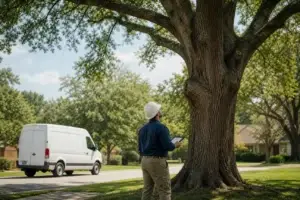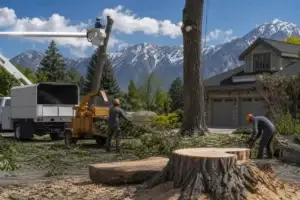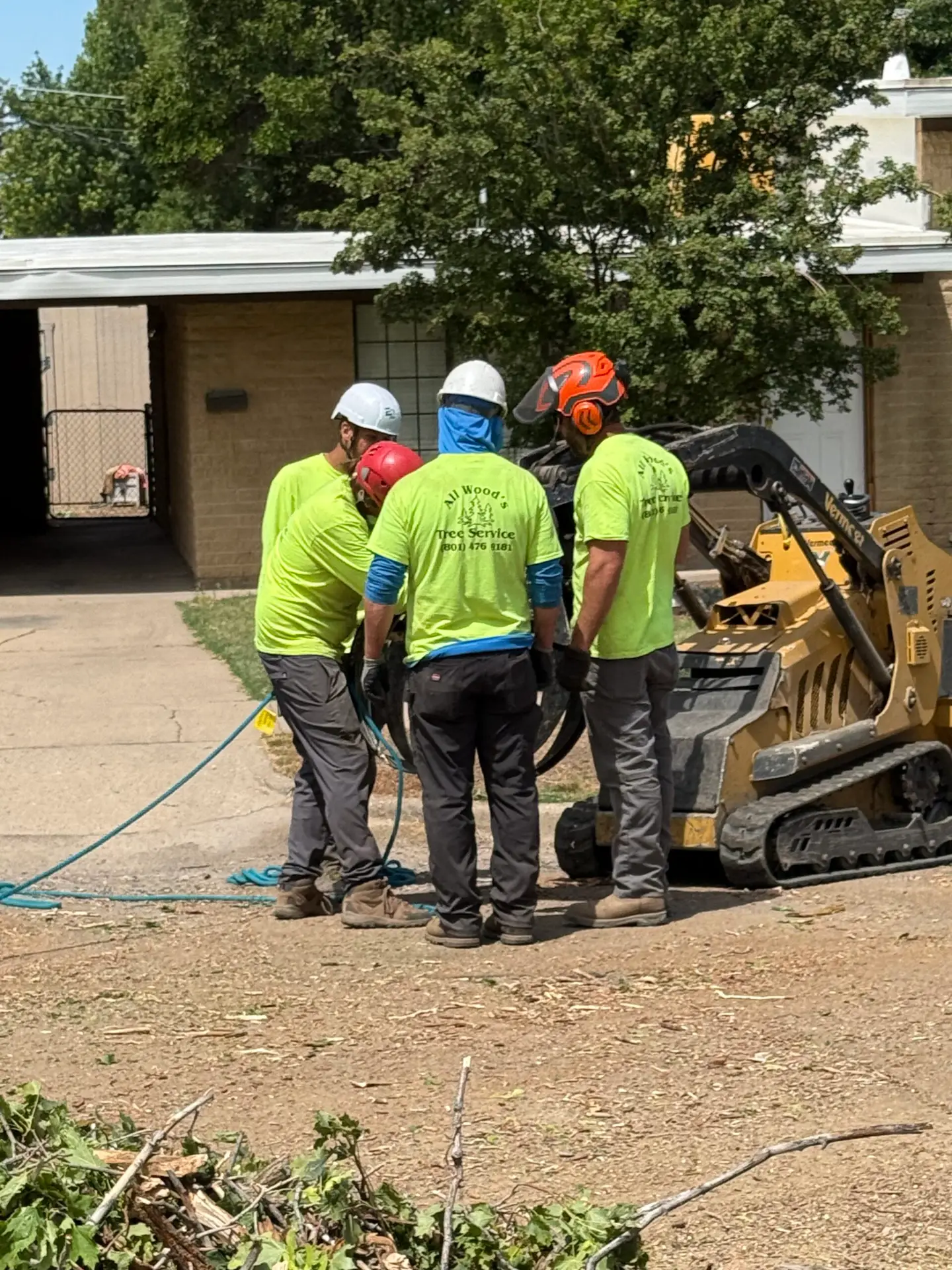
A well-planned HOA tree trimming schedule protects common area trees, keeps neighborhoods looking their best, and prevents costly emergencies. HOA boards across Davis and Weber County are responsible for dozens or even hundreds of trees along walking paths, entryways, and shared green spaces, and without a consistent seasonal plan, small pruning needs turn into expensive hazards. All Woods Tree Service works with HOA boards throughout Northern Utah to build trimming calendars that match each season’s specific risks and growth patterns.
Why Every HOA Needs a Seasonal Tree Trimming Schedule
Reactive tree care, where a board only calls for service after a branch falls or a resident complains, is far more expensive than a scheduled maintenance plan. A documented HOA tree trimming schedule gives boards predictable budgeting, reduces liability exposure, and keeps common area trees structurally sound year after year. It also creates a paper trail that protects the HOA if a tree-related injury or property damage claim is ever filed.
Winter: The Foundation of a Strong HOA Tree Trimming Schedule
Late winter, while deciduous trees are dormant, is the ideal window for structural pruning of shade trees along common areas. Crews can see branch structure clearly without leaf cover, and trees experience less stress from cuts made before spring growth begins. This is also the time to remove deadwood and crossing branches that could become dangerous once storms or heavy snow arrive.
Spring and Summer Trimming Priorities for Common Areas
As trees leaf out, an HOA tree trimming plan should shift toward canopy clearance over sidewalks, parking areas, and playgrounds. Fast-growing species common in Weber County landscapes may need a mid-season check to clear sightlines at entrances and stop sign locations, which is a common liability concern for property managers. Summer is also the best time to spot early signs of pest or disease stress while foliage is full.
Fall Trimming and Storm Preparation
Fall trimming focuses on removing weak limbs before winter storms and heavy, wet snow put extra weight on branches. HOA boards that schedule a fall inspection alongside their HOA tree services plan consistently see fewer emergency calls during winter storm season, which keeps both budgets and residents happier.
5 Warning Signs Your HOA Tree Trimming Schedule Is Falling Behind
- Branches hanging over walkways, parking stalls, or playground equipment
- Visible deadwood or broken limbs still in the canopy
- Residents reporting the same hazard more than once
- No documented trimming activity in the last 12 months
- Trees blocking street signs, lighting, or sightlines at intersections
According to the International Society of Arboriculture, proactive pruning on a regular cycle is one of the most effective ways to maintain tree health and reduce failure risk in managed landscapes. Our certified arborists can build a custom seasonal calendar for your HOA that covers every common area tree on your property.
Building a Compliant HOA Tree Trimming Schedule Document
Many HOA management companies in Davis and Weber County now require a written tree trimming schedule as part of their annual reserve study and maintenance planning. A clear schedule should list every common area tree by location, note the last trimming date, and outline the next scheduled service window. This documentation not only keeps boards organized, it also gives property managers a defensible record if a resident or insurance adjuster ever questions why a tree was or was not trimmed before an incident. All Woods Tree Service provides HOA clients with a simple tracking sheet alongside every seasonal visit so the schedule stays current from year to year.
Budgeting is another reason a seasonal HOA tree trimming schedule matters so much. When trimming is planned months in advance, boards can spread the cost across the fiscal year instead of facing a surprise expense after a storm knocks down a weak limb. Many communities in Syracuse, Layton, and Ogden have found that a predictable quarterly or semi-annual trimming plan actually costs less over time than emergency removals and storm cleanup, since healthy, well-maintained trees are far less likely to fail during high winds or heavy snow loads.
If your HOA board in Davis or Weber County needs a dependable tree trimming schedule, contact All Woods Tree Service today for a common area tree assessment and a maintenance plan built around your community’s needs.