Aphids and scale on trees are among the most common pest problems facing property owners, HOAs, and commercial landscapes across Davis and Weber County. While these pests are small, large infestations can weaken trees significantly over time, making them more vulnerable to disease, drought stress, and winter injury.
Identifying Aphids and Scale on Trees
Aphids and scale on trees can be difficult to spot early because the insects themselves are tiny. Aphids are soft-bodied insects that cluster on new growth and the undersides of leaves, while scale insects attach themselves to bark and branches, often appearing as small bumps or waxy coatings. Both pests feed on plant sap, draining trees of the energy they need to grow and defend themselves against other stresses.
Warning Signs of Infestation
- Sticky honeydew residue on leaves, branches, or pavement below the tree
- Sooty black mold growing on honeydew deposits
- Curled, yellowing, or distorted leaves
- Small bumps or waxy scales along branches and twigs
- Premature leaf drop and thinning canopy
Why Shared Landscapes Are Especially Vulnerable
Aphids and scale on trees can spread quickly through HOA common areas and commercial landscapes where trees are planted close together. A single infested tree along a shared property line or business park entrance can allow pests to move into neighboring trees within a single season. For HOA boards and commercial property managers, catching an infestation early helps avoid the cost of replacing multiple mature trees.
Treatment and Prevention Strategies
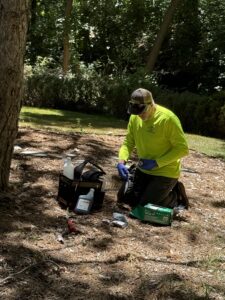
Effective management often starts with encouraging natural predators such as ladybugs and lacewings, which feed on aphids. Dormant-season horticultural oil applications can smother overwintering scale insects before they become active in spring. In more severe infestations, targeted treatments applied by a trained professional may be necessary, along with proper tree trimming to remove heavily infested branches and improve airflow through the canopy.
When to Call a Certified Arborist
Because aphids and scale on trees are sometimes confused with other pest or disease issues, an accurate diagnosis matters before treatment begins. A certified arborist can identify the specific pest affecting your trees and recommend an integrated pest management plan suited to Davis and Weber County’s climate. According to Utah State University Extension, monitoring and early intervention remain the most effective ways to prevent aphid and scale populations from reaching damaging levels.
Seasonal Monitoring for Aphids and Scale on Trees
Regular seasonal monitoring is one of the most effective ways to catch aphids and scale on trees before populations grow large enough to cause serious damage. Inspecting new growth in early spring, when aphid populations often first appear, allows property managers to intervene before honeydew and sooty mold become widespread. Scale insects are easiest to treat during their dormant, immobile crawler stage, which makes proper timing essential for effective control.
HOA boards and commercial property managers overseeing multiple trees across a shared landscape in Davis or Weber County should consider scheduling a seasonal inspection each spring and fall. Catching aphids and scale on trees early, before an infestation spreads to neighboring plantings, is almost always less expensive than treating a widespread outbreak or replacing trees that have been severely weakened over multiple growing seasons. Property owners who wait until a tree’s canopy is visibly thinning or leaves are dropping prematurely often face a much longer recovery process than those who catch aphids and scale on trees during routine seasonal checks. Building a simple annual inspection schedule into ongoing landscape maintenance is one of the most cost-effective steps an HOA or commercial property can take to protect its tree canopy long term.
If trees on your Davis or Weber County property show signs of aphids, scale, or other pests, contact All Woods Tree Service for an inspection and treatment plan.