Fire blight Utah trees face each spring are a serious concern for property owners throughout Davis and Weber County. Fire blight and other bacterial diseases are among the most destructive threats to fruit and ornamental trees in the region. Apple, pear, crabapple, and hawthorn trees are especially vulnerable, and once a bacterial infection takes hold, it can spread quickly through an entire landscape, HOA common area, or commercial property if left untreated.
What Is Fire Blight?
Fire blight is a bacterial disease caused by Erwinia amylovora that attacks blossoms, shoots, and branches. It thrives in the warm, humid spring weather common throughout northern Utah and spreads rapidly through rain, wind, pollinating insects, and pruning tools. Infected branches often look scorched, as though touched by fire, which is how the disease got its name.
Warning Signs of Fire Blight and Bacterial Diseases
- Blackened, wilted blossoms and leaves that remain attached to the branch
- Shepherd’s-crook curling at the tips of infected shoots
- Dark, water-soaked cankers on branches and trunks
- Amber-colored bacterial ooze seeping from infected bark
- Sudden dieback of entire branches during the growing season
Why HOAs and Commercial Properties Are at Higher Risk
Shared landscapes with rows of ornamental pear or crabapple trees, common in Davis County subdivisions and Weber County business parks, allow bacterial diseases to move quickly from tree to tree. Shared irrigation systems, communal pruning schedules, and dense plantings all increase the chance that one infected tree can compromise an entire property. For HOA boards and commercial property managers, early detection is far less costly than replacing mature trees after an outbreak spreads.
Treatment and Prevention Strategies
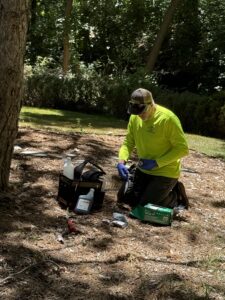
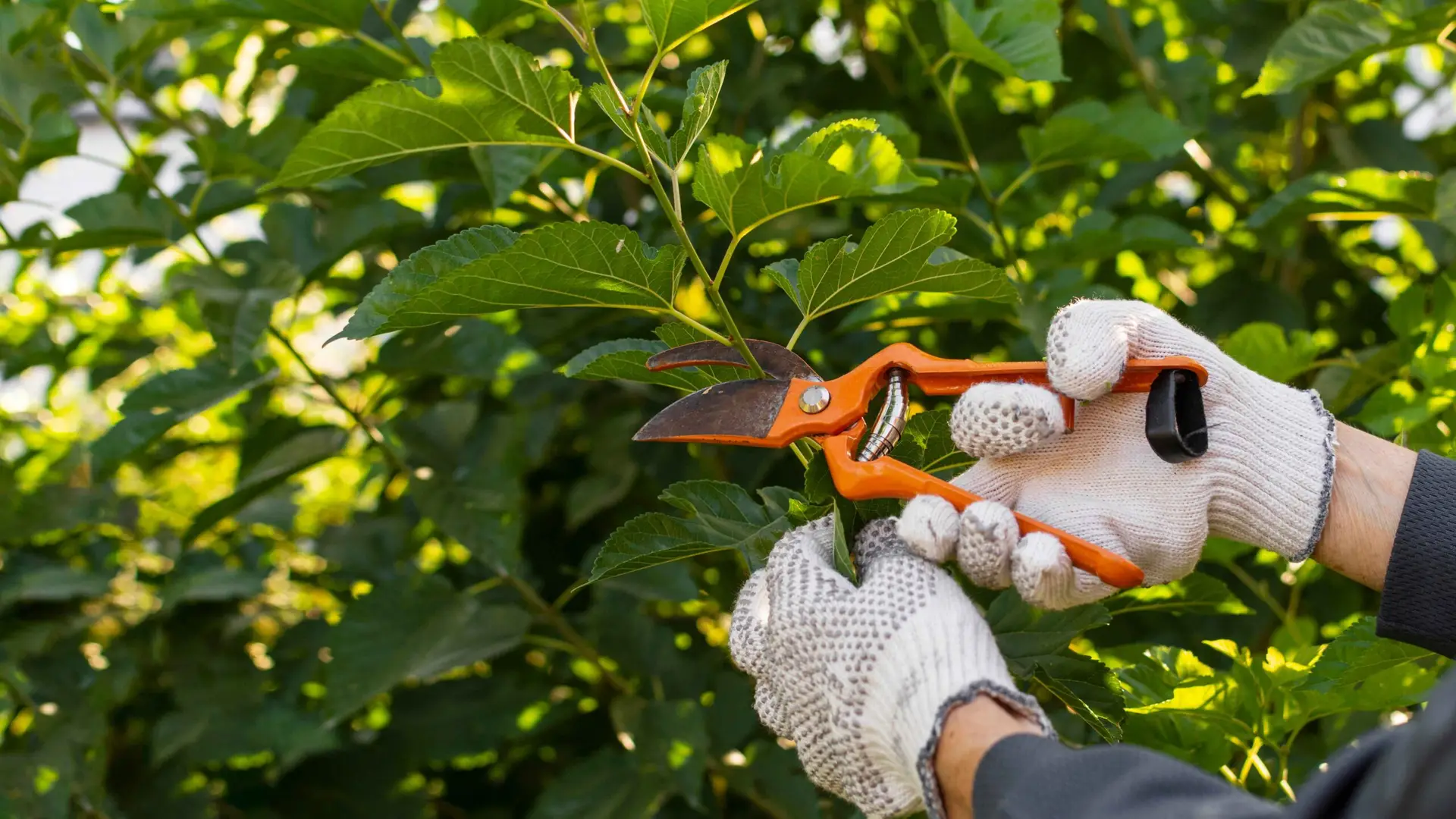
Effective management starts with sanitation. Pruning tools should be disinfected between cuts, and infected branches must be removed well below the visible canker, then destroyed rather than composted. Avoid heavy nitrogen fertilization, which encourages the tender new growth that bacterial diseases prefer to infect. Dormant-season tree trimming performed by trained professionals reduces the risk of spreading bacteria compared to pruning during active growth. In some cases, copper-based bactericides applied before bloom can help protect high-value trees.
When to Call a Certified Arborist
Because fire blight can be confused with other bacterial and fungal diseases, an accurate diagnosis matters. A certified arborist can identify the specific pathogen affecting your trees, recommend a treatment plan, and advise on which severely infected trees may need removal to protect the rest of the landscape. According to Utah State University Extension, prompt sanitation pruning remains one of the most effective tools against fire blight outbreaks in the region.
Protecting Fire Blight Utah Trees Year-Round
Protecting fire blight Utah trees requires more than a one-time treatment. Because the bacteria can overwinter in cankers and become active again the following spring, ongoing monitoring is just as important as initial treatment. Property managers overseeing multiple ornamental pear or apple trees across a Davis County HOA or a Weber County business park should schedule annual inspections, ideally before bud break, so any lingering infection can be addressed before warm weather allows it to spread.
Homeowners associations often manage dozens or even hundreds of ornamental trees along streets, common areas, and shared green spaces. A single overlooked case of fire blight can move through an entire row of trees within one growing season, creating costly removal and replacement expenses. Building a relationship with a tree care provider who understands the specific disease pressures facing fire blight Utah trees allows HOA boards and commercial property managers to catch problems early, budget for treatment proactively, and avoid the higher costs associated with emergency removals.
If you manage an HOA common area or commercial property in Davis or Weber County and have noticed blackened leaves or oozing cankers on fruit or ornamental trees, contact All Woods Tree Service for an inspection before the disease spreads further.