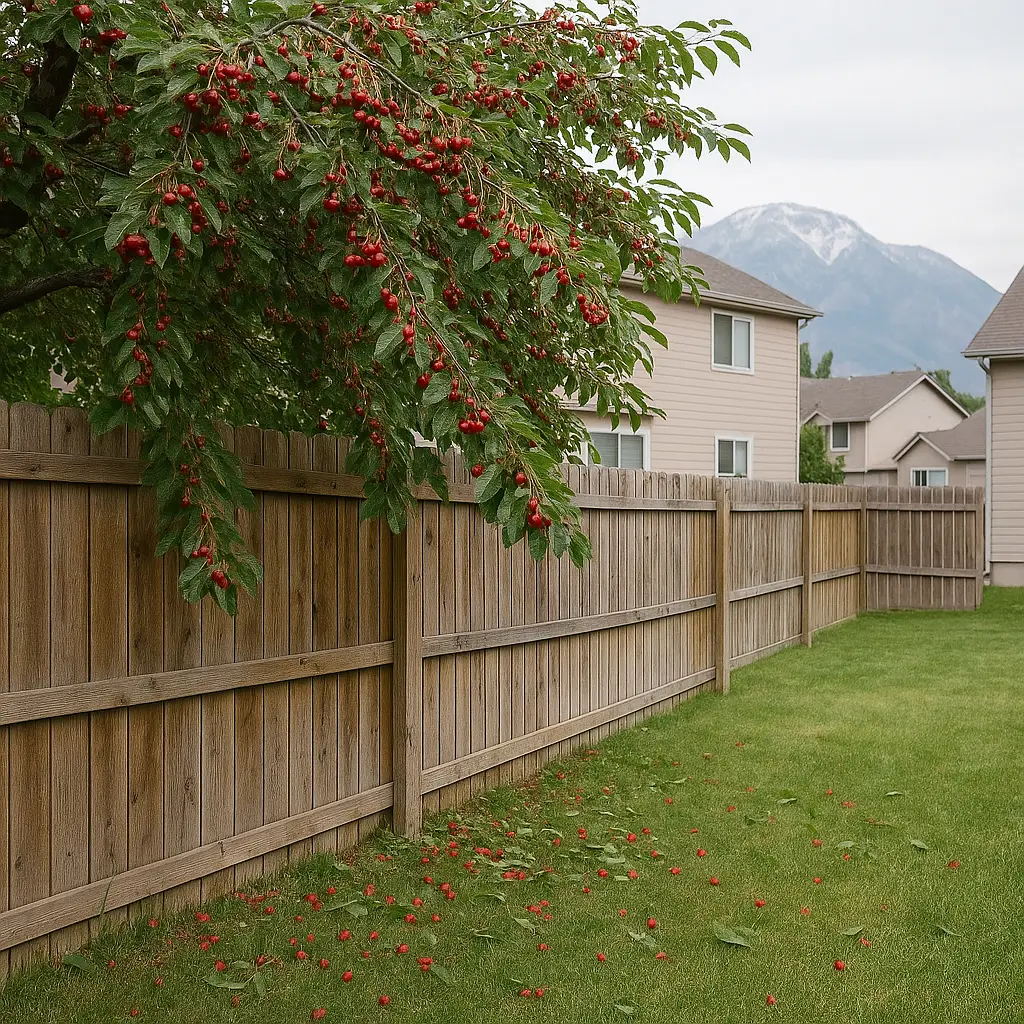
Dealing with a neighbor’s overhanging tree on your property can be a challenging situation that requires delicacy and communication. The presence of branches or roots from a neighbor’s tree encroaching onto your land can lead to a range of issues, from property damage to safety hazards. Navigating this situation effectively often involves a combination of understanding property laws, establishing clear boundaries, and engaging in open dialogue with your neighbor to find a mutually beneficial solution.
Where the Tree Trunk Grows: Legal Rights of Property Owners
Before addressing any issues related to a neighbor’s tree, understand your legal rights concerning property boundaries and tree ownership. Property boundaries define the legal extents of ownership and can often be clarified with a current land survey. When a tree is situated on or near these boundaries, its ownership can be shared or singular, depending on where the trunk resides.
In Utah, legal ownership of a tree is typically determined by the location of the tree in relation to property boundaries. If a tree is situated entirely on one property, then the owner of that property is considered the legal owner of the tree. However, if a tree straddles the property line between two adjacent properties, the ownership is typically shared between the property owners. In such cases, both property owners have equal rights and responsibilities regarding the tree, including maintenance and potential removal.
If a neighbor’s tree poses a risk or extends onto your property, legal recourse may be necessary. However, initiating neighborly communication before taking formal action can pave the way for more amicable resolutions. Documenting this communication is crucial for verifying attempts at resolution should legal intervention become unavoidable.
In cases where informal negotiation fails, mediation options are a viable alternative to litigation. Mediation allows for a neutral third party to assist in creating a mutually acceptable resolution, potentially saving time and resources that would otherwise be spent in court. Engaging in mediation reflects a commitment to safety and respect for legal processes while working to maintain a cordial community atmosphere.
Approaching Your Neighbor Amicably
Initiating a friendly dialogue with your neighbor about their tree can foster cooperative solutions and prevent future disputes. Effective neighbor communication is paramount in this process. It is advisable to approach the conversation with a clear understanding of boundary respect, guaranteeing that both parties recognize and agree upon the demarcation lines. This initial step helps set a foundation for discussing the specific concerns related to the tree, such as overhanging branches or root growth potentially affecting property structures.
Discussing tree trimming should be handled with technical accuracy and safety in mind. Detail the specific branches or areas of concern and suggest a mutual agreement on how to proceed with trimming efforts. It’s beneficial to propose a collaborative approach to property maintenance, where both parties contribute to the care and management of the tree. This not only assures the tree’s health and aesthetics but also strengthens neighborhood relations.
Who Should You Call for Professional Assistance?
When faced with the challenge of a neighbor’s overhanging tree encroaching on your property, approach the situation with care and consideration. Seeking the expertise of professional arborists, mediators, and lawyers can help navigate the complexities of such disputes in a fair and effective manner.
Hiring a professional arborist to handle trees on a neighbor’s property is a wise decision to ensure the safety and health of both properties. An arborist possesses the expertise and knowledge required to assess the condition of trees, identify potential risks, and recommend appropriate solutions.
You can rest assured that the trees will be properly maintained, trimmed, or removed if necessary, in a safe and efficient manner. This proactive approach not only helps prevent potential hazards such as falling branches or tree collapse but also fosters a positive relationship with neighbors by demonstrating a commitment to property maintenance and safety. Ultimately, consulting a professional arborist can help mitigate risks, preserve the beauty of the landscape, and promote a harmonious environment within the neighborhood.
When faced with tree-related issues with a neighbor, utilizing a mediator can often be an effective way to resolve conflicts amicably. A mediator, as a neutral third party, can facilitate communication and help both parties come to a mutually acceptable solution. By providing a structured and safe environment for discussion, a mediator can assist in clarifying each party’s concerns and interests, fostering understanding and empathy between neighbors.
Through open dialogue and guided negotiation, a mediator can help find common ground and reach a resolution that addresses the tree-related issues while preserving the relationship between neighbors. In cases where emotions run high, having a mediator present can help keep discussions focused and productive, leading to a more satisfactory outcome for all involved.
Legal advice, tailored to the specifics of tree laws in your locality, is another critical service provided by professionals. Understanding your legal rights and responsibilities can prevent potential litigation and provide a clear framework for negotiating tree maintenance or removal.
Managing Overhanging Branches
Ensure safety first: Before attempting to manage overhanging tree branches yourself, make sure you have the necessary tools, equipment, and knowledge to do so safely. Wear appropriate safety gear such as gloves, goggles, and a hard hat.
Assess the situation: Evaluate the size, height, and condition of the overhanging branches before starting any work. Determine the direction in which the branches will fall to avoid damaging property or causing injury.
Use the right tools: Utilize the proper tools for the job, such as pruning shears, loppers, a handsaw, or a chainsaw, depending on the size and thickness of the branches. Make sure your tools are in good working condition and sharp to make clean cuts.
Follow proper cutting techniques: When cutting overhanging branches, start by removing smaller branches first to reduce the weight and tension on the main branch. Cut branches back to the branch collar without damaging the trunk or main branch to promote healing.
Dispose of branches properly: After cutting down overhanging branches, properly dispose of the debris by composting, recycling, or contacting your local waste management services for disposal options. Do not leave branches lying around as they can pose a safety hazard.
Engaging in proactive neighbor communication is important before undertaking any trimming. This dialogue ensures that all parties are aware and agreeable to the necessary tree work, thereby mitigating potential disputes. Clear discussions about the extent of overhang and the methods of trimming can foster a cooperative relationship and facilitate smoother operations.
Handling Disputes Effectively
The first step is to initiate open dialogue by directly communicating with your neighbor to understand each other’s perspective on the issue. This can help in finding common ground and addressing concerns. If direct talks stall or become unproductive, it may be beneficial to consult mediation services about your neighbor’s tree. Professional mediators can facilitate discussions and help both parties reach a mutually satisfactory solution. Additionally, understanding legal boundaries is crucial in handling disputes. Being informed about local regulations and property boundaries can guide your discussions and decisions, ensuring that any resolution is in line with legal requirements.
Your Neighbor’s Tree and All Woods Tree Services
Enlisting the expertise of All Woods Tree Service to address complex tree issues on your neighbor’s property can provide peace of mind and ensure the safety and health of your community. Their team of skilled arborists and commitment to quality service make them a reliable choice for tackling any tree-related challenges. By entrusting All Woods Tree Service with the care of your neighborhood trees, you can rest assured that the job will be handled efficiently, professionally, and with the utmost respect for the environment and surrounding properties.