Seven Factors That Can Slow Your Custom Fence Installation
Knowing what can hold up a custom fencing installation helps homeowners and contractors avoid surprises. Delays add cost and stress, but most are preventable with the right planning. Below we walk through seven common causes of fencing delays and offer straightforward ways to keep your project on track. We cover weather, permits and HOA approvals, material lead times, underground issues, and more so you know what to expect and how to prepare.
Which Weather Conditions Most Often Slow Your Custom Fence Installation?
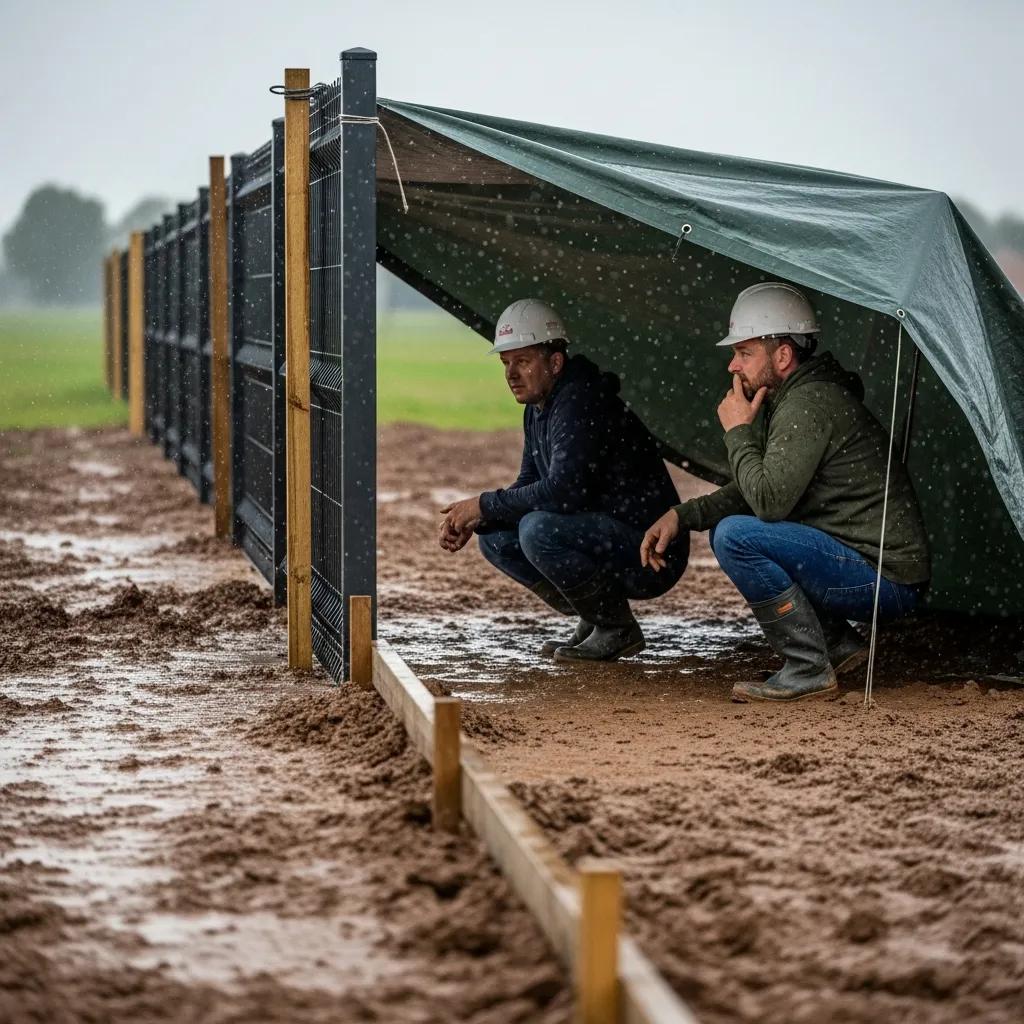
Weather is a top cause of schedule shifts. Heavy rain, snow, and temperature extremes affect safety, digging, and how materials behave — when the site becomes unsafe or unworkable, crews must pause.
How Rain, Snow, and Temperature Extremes Affect Fence Work
Rain turns yards to mud, making post-hole digging and heavy-equipment movement difficult. Snow raises safety concerns and slows crews. Very hot weather can make materials like vinyl expand or warp; freezing ground makes digging much harder. Those conditions translate directly to lost days on the calendar.
How to Reduce Weather-Related Delays
Plan installs for milder seasons when possible, and monitor forecasts during the build window. Built-in schedule flexibility and quick contingency plans—like shifting tasks or protecting stored materials—help projects keep moving when the weather turns. Our team at All Wood’s Tree Service knows Northern Utah’s swings and can help schedule around likely interruptions.
How Do Permits and HOA Rules Impact Your Project Timeline?
Permits and HOA approvals are often the biggest non-weather hold-ups. Local rules vary, and waiting for approvals can push your start date out if you’re not ready with the right paperwork.
What Permits Are Common in Northern Utah?
In Northern Utah, you may need to submit fence plans, get sign-off from zoning or building departments, and follow limits on height and materials. Permit turnaround ranges from a few days to several weeks depending on the city or county — factor that into your timeline before work begins.
Tips for Moving Through HOA Approval Faster
Read your HOA rules up front and prepare a complete packet: drawings, material samples, and measurements. Clear, respectful communication with the HOA board speeds approval. If you’d like, All Wood’s Tree Service can help assemble permit-ready plans and guide you through local requirements to reduce back-and-forth delays.
How Do Material Shortages and Supply Chains Delay Fence Projects?
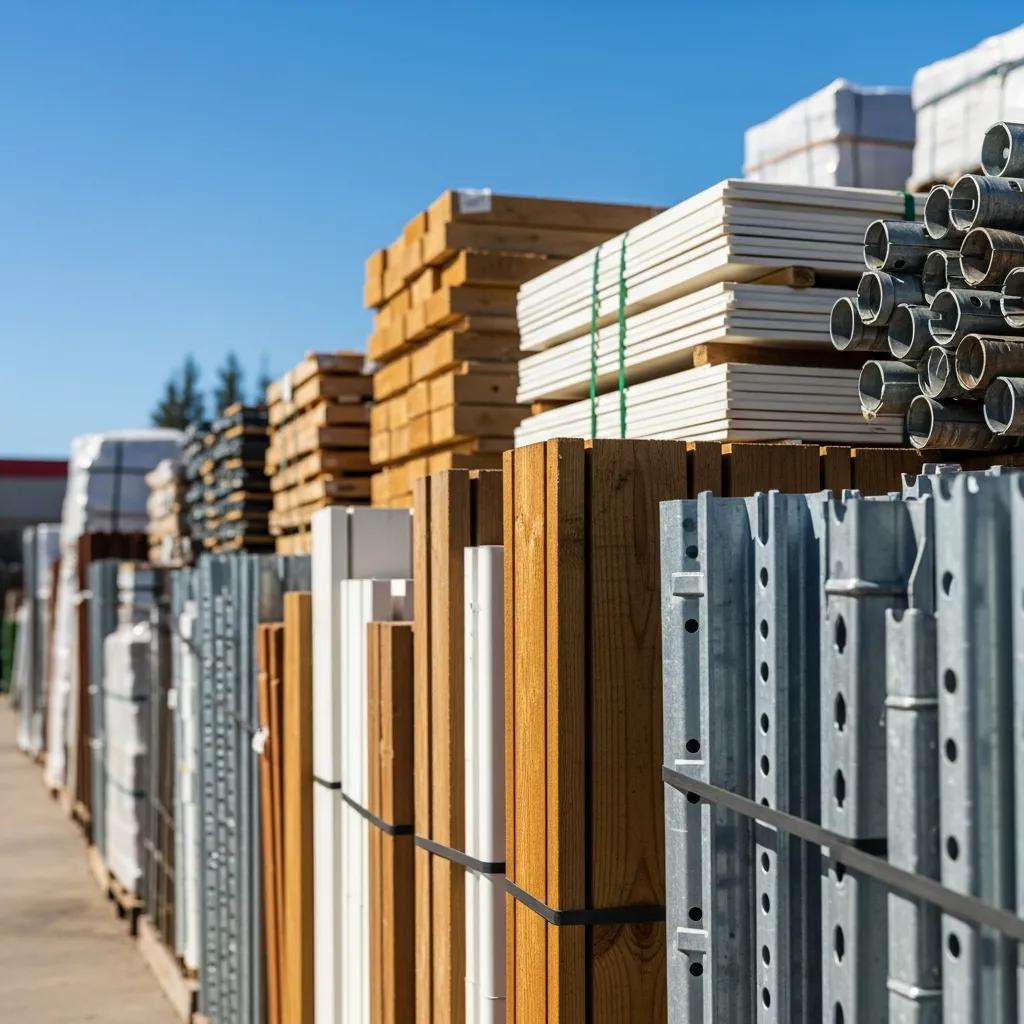
Material availability affects when work can start and finish. Supply-chain disruptions or seasonal demand spikes can stretch lead times and push schedules out.
How Lead Times Differ for Wood, Vinyl, and Metal Fencing
Lead times depend on demand and supplier inventory. Wood can be slower at peak seasons, while vinyl and metal are usually steadier but not immune to delays. Knowing typical wait times helps you plan and avoid last-minute hold-ups.
| Material Type | Lead Time | Availability |
|---|---|---|
| Wood Fencing | 3-6 weeks | Moderate |
| Vinyl Fencing | 2-4 weeks | High |
| Metal Fencing | 3-5 weeks | Moderate |
Those typical lead times show why ordering early matters. If a preferred material is delayed, having a backup material or design option can keep the job moving.
Ways to Avoid Material-Related Delays
Order materials well ahead of your start date, and work with suppliers who communicate lead times clearly. If necessary, choose alternative styles or finishes that are in stock. Strong supplier relationships—something our crews cultivate—give you better access and more predictable delivery windows.
How Do Underground Obstacles and Surveys Change the Schedule?
Hidden obstacles below ground are a frequent source of unexpected delays. Rocks, large roots, and utility lines can add time and require extra coordination before crews can finish drilling and setting posts.
What Problems Do Rocks, Roots, and Utilities Create?
Rocks and roots slow digging and sometimes require special equipment or additional labor. Unmarked utilities are a safety hazard and typically require utility-location services before digging can proceed, which can add days to a job.
Why Accurate Property Surveys Keep Projects on Track
A professional survey clarifies property lines and prevents boundary disputes that can stop work. Confirming lines up front avoids rework and neighbor conflicts. Investing in a proper survey before the first fence post goes in is a smart step toward a smooth install.
Knowing these common delay factors lets you plan proactively. All Wood’s Tree Service is ready to help you plan and schedule so your fencing project finishes on time and as expected.
Frequently Asked Questions
What signs show my fencing installation might be delayed?
Watch for missed start dates, unclear or infrequent communication from your contractor, late material deliveries, or repeated schedule changes. If crews stop showing up without updates or the contractor keeps citing pending permits or weather without specifics, ask for a revised timeline and next steps.
How should I prepare my yard to reduce installation delays?
Clear the fence line of debris, overgrown plants, and movable obstacles. Mark known property corners or easements, secure needed permits ahead of time, and let neighbors know about the plan. The cleaner and more accessible the site, the quicker the crew can work.
What should I do if the project is delayed by something unexpected?
Talk with your contractor to understand the cause and get a new, realistic timeline. Ask about alternatives—different materials, partial work, or temporary fixes—that can shorten the delay. If communication breaks down or delays become excessive, consider getting a second opinion.
Are there better seasons to schedule a custom fence installation?
Yes. Spring and early fall are usually best because of milder weather and firmer ground. Avoiding extreme heat, cold, or wet seasons reduces the risk of weather-related pauses and can improve crew availability and material access.
What extra costs can delays create?
Delays can increase labor and equipment rental costs, and material prices can rise during long waits. If work affects landscaping or other contractors, those projects may incur additional expenses. Build a small contingency into your budget for unexpected delays.
How do I confirm the materials used are high quality?
Ask for supplier information, product specs, and warranties. Request samples or photos of installed materials and check references or reviews. Our team recommends materials that suit local climate and maintenance preferences and can show you options that balance cost, longevity, and appearance.